
Insights
Sustainability and how it influences decision-making
Back to articles / Sustainability and how it influences decision-making
Sustainability continues to influence decision-making across the travel industry, but in a more complex and, in some ways, quieter way than before.
Outwardly, it can feel like the momentum has slowed. In some markets, particularly in the US, the political tide has shifted, and that is having a real impact. National parks, for example, are already feeling the strain: from reduced funding and staffing pressures to the broader challenge of managing increasing visitor numbers with fewer resources.
But that’s only one side of the picture.
There’s also a more fundamental shift happening. Sustainability has, quite simply, moved into the real world. It’s no longer theoretical or future-facing.
Heatwaves, wildfires, water shortages - these are no longer abstract risks. They are already affecting destinations, sometimes quite dramatically. In parts of Southern Europe, extreme temperatures are starting to reshape when people travel, and in some cases whether they travel at all.
And in more vulnerable destinations, the stakes are even higher. Rising sea levels and climate exposure are forcing places like the Maldives to confront very real questions about long-term viability.

The insurance industry is already signalling where this is heading. Guenther Thallinger, a board member at Allianz, has warned that parts of the world could become “uninsurable” if climate risks continue to rise. And once a destination becomes uninsurable, it becomes very difficult to operate - hotels can’t secure financing, infrastructure investments stall, and entire tourism economies are put at risk.
At that point, sustainability stops being a positioning exercise and becomes business-critical.
There’s also a financial angle that’s often overlooked.
Reducing food waste, improving energy efficiency, and relying less on volatile fossil fuel markets isn’t just good practice, it can significantly reduce costs. In a world of geopolitical instability (the recent tensions around Iran being a good example), energy resilience is becoming a commercial advantage.
So, while the narrative around sustainability may feel more mixed, the underlying reality is much clearer: for many travel businesses and destinations, it’s no longer a “nice to have.” It’s increasingly tied to long-term resilience, profitability, and in some cases, survival.
On the ground, many destinations, hotels and operators are continuing to move forward, often more pragmatically and less noisily than before.
Sustainability is becoming less of a headline message and more embedded into how things actually work.
We’re seeing this in how destinations are starting to rethink success. It’s no longer just about arrivals or revenue. Places like Copenhagen are actively encouraging visitors to behave more responsibly, rewarding simple actions like using public transport or picking up litter. Others are tracking things like community satisfaction, biodiversity or housing pressure to understand whether tourism is genuinely adding value.
For hotels and operators, it’s also becoming more operational.
Reducing food waste through better forecasting, working with smaller, local suppliers, rethinking energy use - these are not always visible to the guest, but they are increasingly standard practice. In some cases, AI is even being used behind the scenes to optimise these systems, improving efficiency while reducing environmental impact.
At the same time, travellers themselves are factoring sustainability into their decisions, but not always in a straightforward way.
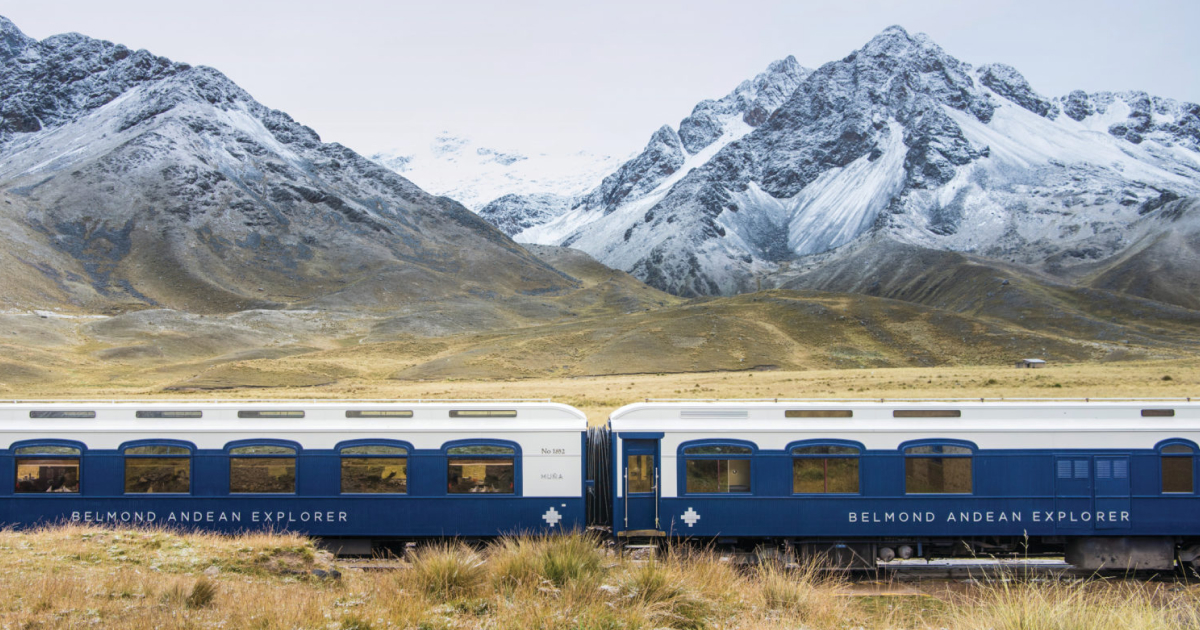
There’s a growing awareness of impact. People are thinking more about where they go, when they travel, and how their choices affect a destination. That might mean travelling off-season, choosing less crowded regions, or opting for slower modes of transport like rail.
But there’s also a tension.
Sustainable choices often require more time, more money or more effort. Taking the train instead of flying, for example, can be more expensive and complicated. Choosing a more responsible operator might mean compromising on convenience. So, while intent is there, behaviour doesn’t always follow in a consistent way.
It also highlights a broader challenge the industry is still grappling with.
At times, sustainability has been framed in a way that prioritises nature over people or positions responsible travel as something only accessible to those with the time and money to make the “right” choices.
But in reality, sustainability only works if it works for everyone.
It has to benefit local communities as much as it protects the environment, and it has to be accessible, not just a premium add-on or a niche choice for the already converted.
It’s relatively easy to be sustainable when you have the budget to absorb higher costs or longer travel times. The real challenge, and opportunity, is making more sustainable choices the default: simple, affordable and easy to access.
That’s where the industry still has work to do. And that’s important for brands to understand.
Sustainability is no longer a simple marketing message.
It’s part of a broader decision-making process, one that sits alongside price, time, convenience and personal priorities.
Perhaps the biggest shift is that sustainability is moving from being a differentiator to being expected.
Travellers may not always choose a brand BECAUSE it is sustainable, but they will increasingly question it if it isn’t.
So, the role for travel brands is evolving.
It’s less about making big claims, and more about doing the work: embedding better practices into operations, being transparent about progress, and making it easier for travellers to make better choices without adding friction.
Because while the narrative around sustainability may feel uncertain, the underlying direction of travel hasn’t changed.
If anything, it’s becoming more embedded and more real.
And that’s where the opportunity lies.
The brands and destinations that approach this practically - embedding sustainability into how they operate, making it easier for travellers to make better choices, and ensuring it works for both people and place -will be the ones that stay relevant.
Not because they are perfect, but because they are moving in the right direction.

About Private Luxury
Private Luxury connects the world’s most prestigious brands, innovators, and decision-makers in luxury travel. With a reputation for delivering carefully curated events, we create an environment where business relationships flourish, collaborations take shape, and industry-defining insights are shared.
Tell me more